


How Salt Air Affects Exterior Paint on Maui Homes

Living on Maui comes with a lot of beauty, but it also comes with a few challenges for your home’s exterior. Between the ocean air, strong sun, humidity, wind, and seasonal rain, exterior paint has to work harder here than it does in many other places.
One of the biggest factors is salt air.
If your home is in Wailea, Kihei, Lahaina, Napili, Kapalua, Ka‘anapali, Paia, or anywhere close to the shoreline, salt in the air can affect how long your exterior paint lasts. Even homes farther inland can still feel the effects, especially when trade winds carry moisture and salt across the island.
Salt air does not mean your paint will fail right away. A good exterior paint job can still last for years on Maui. But it does mean the surface preparation, paint selection, and regular maintenance matter more.

What Is Salt Air?
Salt air is moisture in the air that carries tiny salt particles from the ocean. When waves break, especially along windy coastal areas, salt gets lifted into the air and travels with the breeze. Over time, those particles settle on siding, trim, railings, doors, metal fixtures, concrete, and other exterior surfaces.
You may not always see it clearly, but salt can build up as a thin film on your home. If you run your hand across an exterior surface near the ocean, you may feel a slight residue. That residue can affect how paint bonds to the surface and how well the finish holds up over time.
For Maui homes, salt air is part of the environment. The goal is not to avoid it completely. The goal is to paint and maintain the home in a way that accounts for it.

How Salt Air Breaks Down Exterior Paint
Salt is naturally corrosive. When it sits on exterior surfaces, it can slowly wear down paint, especially if the surface was not cleaned and prepared correctly before painting.
On painted surfaces, salt air can contribute to:
Fading
Chalking
Peeling
Bubbling
Cracking
Staining
Mildew growth
Early paint failure
Salt does not usually work alone. On Maui, it often combines with UV exposure, humidity, rain, and heat. That combination can be hard on exterior paint.
For example, a home in Kihei may deal with heavy sun exposure most of the year. A home in Kapalua may see more moisture and wind. A home in Lahaina may experience strong sun, dry conditions, and salty coastal air. Upcountry homes in Kula or Makawao may not have the same salt exposure, but they still deal with sun, moisture, and changing temperatures.
That is why exterior painting on Maui should be approached with local conditions in mind.

Why Prep Work Matters So Much Near the Ocean
Preparation is one of the most important parts of exterior painting, especially for coastal homes.
If salt, dirt, mildew, chalky paint, or old failing coatings are left on the surface, new paint may not bond properly. The finish might look good at first, but problems can show up later. Peeling, bubbling, and uneven wear are often connected to what happened before the first coat of paint was applied.
A proper prep process may include washing the exterior, removing loose paint, sanding rough areas, addressing mildew, caulking gaps, priming bare surfaces, and making sure the surface is dry enough before painting.
Pressure washing can be helpful, but it has to be done carefully. The goal is to clean the surface without forcing water into areas where it can create problems later. After washing, the surface needs enough time to dry before primer or paint is applied.
For a professional Maui painter, prep work is not a small detail. It is what helps the paint last.
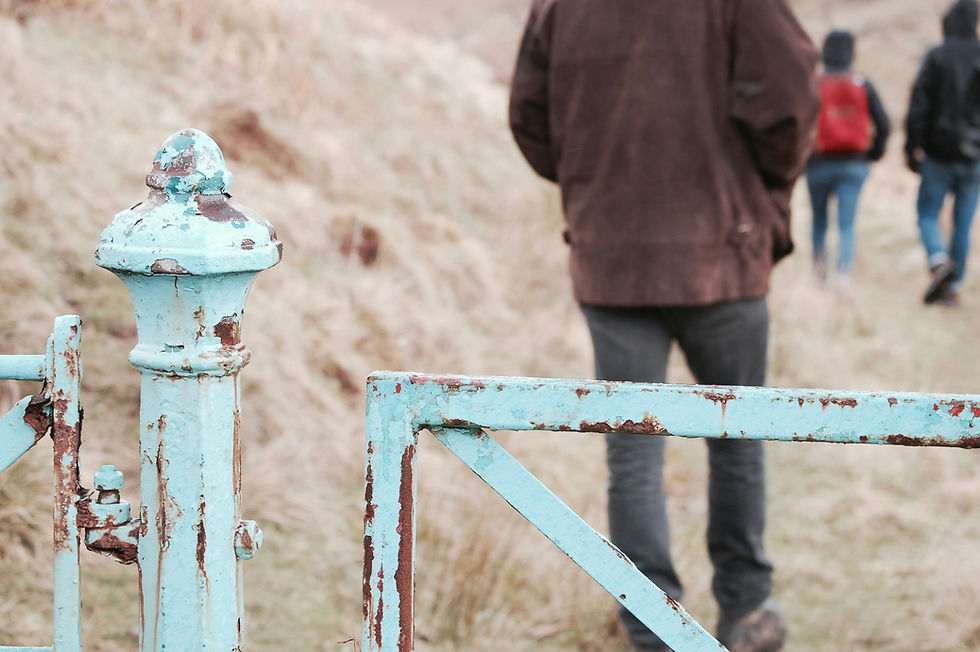
Salt Air and Metal Surfaces
Salt air is especially tough on metal. Railings, gates, screws, hinges, light fixtures, flashing, and exposed fasteners can rust faster in coastal areas.
Once rust starts, it can spread beneath surrounding coatings and stain nearby painted surfaces. If metal is not cleaned, treated, and primed correctly, paint may not hold well.
For homes near the ocean, it is important to look closely at metal details before painting. Rusted areas may need sanding, cleaning, rust-inhibiting primer, or replacement depending on the condition. Painting over rust without treating it usually does not solve the problem for long.
This is one reason exterior painting on Maui often requires more careful inspection than a simple color refresh.
How Salt Air Affects Wood Trim and Siding
Wood surfaces can also be affected by salt air and humidity. Salt can hold moisture against the surface, and moisture is one of the main reasons exterior paint begins to fail.
Wood trim, fascia, doors, siding, and exposed edges need special attention. If moisture gets behind the paint film, the paint can blister or peel. If bare wood is left exposed, it can absorb moisture and break down faster.
Good preparation helps protect wood surfaces. Bare wood should usually be primed before painting, and cracked caulking or open joints should be addressed. Paint is not just for appearance. On Maui homes, it is part of the protection system for the structure.
UV Exposure Makes the Problem Worse
Salt air is only one part of the picture. Maui’s sun is another major factor.
UV rays break down paint over time. They can cause colors to fade, surfaces to chalk, and finishes to lose their strength. Darker colors often show fading more quickly, especially on walls that receive direct afternoon sun.
When salt air and UV exposure work together, exterior paint can age faster. The salt sits on the surface, the sun heats and dries the coating, and moisture continues to move in and out with changing weather.
This is why choosing the right product matters. A quality exterior paint designed for strong sun, moisture, and mildew resistance can make a real difference. Just as important, the product needs to be applied correctly over a clean, sound surface.
Signs Salt Air May Be Affecting Your Paint
Homeowners do not need to be painting experts to notice when something is changing.
A few common signs include:
Paint that looks dull or faded sooner than expected
A chalky residue on the surface
Peeling around trim, edges, or sun-exposed walls
Bubbling or blistering paint
Rust stains near metal fixtures
Mildew or dark staining in shaded areas
Cracking caulk around windows and doors
Paint wearing faster on the ocean-facing side of the home
If you notice these signs, it does not always mean the entire home needs to be repainted right away. Sometimes maintenance, cleaning, touch-ups, or small repairs can help extend the life of the existing paint. Other times, the coating has reached the point where a proper repaint is the better option.
A good Maui painting contractor can help you understand which situation you are dealing with.

How to Help Exterior Paint Last Longer on Maui
There are a few practical steps homeowners can take to protect exterior paint in Maui’s climate.
Regular washing helps remove salt buildup, dirt, and mildew before they sit too long on the surface. Homes close to the ocean may benefit from more frequent exterior rinsing or cleaning.
It is also smart to inspect the home at least once or twice a year. Look at trim, corners, railings, doors, window areas, and sides of the home that face the ocean or receive heavy sun. Small issues are easier to fix before they become bigger problems.
Good drainage matters too. Sprinklers, roof runoff, and standing moisture can shorten the life of paint. If water is constantly hitting one part of the house, that area will usually wear faster.
Most importantly, do not wait until the paint is completely failing. Once paint peels badly or bare wood is exposed, the repair work becomes more involved. Repainting at the right time can protect the home and reduce long-term maintenance.
Why Local Experience Matters
Painting a home on Maui is different from painting a home in a dry mainland climate. A professional painter on Maui has to think about sun exposure, salt air, humidity, wind, rain patterns, surface condition, and the way different areas of the island age paint differently.
A coastal home in Wailea may need different attention than a home in Upcountry Maui. A commercial building in Kahului may have different wear patterns than a residential property in Napili. Even within the same neighborhood, shade, elevation, landscaping, and ocean exposure can change how paint performs.
That local experience matters. It helps with preparation, product choice, timing, and expectations.
Vincent’s Painting has served Maui since 1978, and that kind of long-term experience helps when working with island homes and buildings. The goal is not just to make the property look freshly painted. The goal is to create a clean, lasting finish that holds up as well as possible in Maui’s climate.
Conclusion
Salt air is part of life on Maui, and it has a real effect on exterior paint. Over time, it can contribute to fading, peeling, chalking, rust, mildew, and early wear, especially when combined with strong sun and humidity.
The best protection starts with proper preparation. Clean surfaces, sound primer, quality exterior paint, careful application, and regular maintenance all help your home’s finish last longer.
If you live near the ocean, your home may need a little more attention than a property farther inland. That does not mean painting has to be complicated. It simply means the work should be done with Maui’s climate in mind.
If you're planning an interior or exterior painting project on Maui, the team at Vincent's Painting is here to help. Contact us today for a free estimate and discover the difference that nearly five decades of craftsmanship can make.


Comments