


Expert Tips for Interior Painting Techniques Hawaii

Painting the interior of a home or commercial space in Hawaii requires special attention. The tropical climate, humidity, and unique lighting conditions all affect how paint performs and looks. I want to share practical tips that help you achieve a beautiful, lasting finish on your walls and ceilings. These insights come from years of experience working with Maui homeowners and commercial property managers.
Understanding Interior Painting Techniques Hawaii
When painting indoors in Hawaii, you must consider the environment. High humidity and salt air can cause paint to peel or fade faster than in other places. To combat this, choose paints designed for tropical climates. These paints resist moisture and mildew better.
Preparation is key. Clean walls thoroughly to remove salt deposits and dust. Use a mild detergent and rinse well. If you skip this step, paint may not adhere properly, leading to bubbles or flaking.
Another important technique is to apply a primer suited for humid conditions. Primers seal the surface and improve paint adhesion. They also block stains and prevent moisture from seeping through.
Use multiple thin coats of paint rather than one thick coat. Thin coats dry faster and reduce the risk of drips or uneven texture. Allow each coat to dry completely before applying the next.

Choosing the Right Paint and Tools
Selecting the right paint is crucial for durability and appearance. I recommend using high-quality acrylic latex paints. These paints offer excellent coverage, flexibility, and resistance to mold and mildew.
For ceilings, use flat or matte finishes to hide imperfections. For walls, satin or eggshell finishes work well because they are easy to clean and reflect light softly.
Invest in good brushes and rollers. Synthetic bristles work best with latex paints. Use a roller with a medium nap (3/8 inch to 1/2 inch) for smooth walls. For textured surfaces, choose a thicker nap roller.
Keep your tools clean during breaks to avoid dried paint buildup. Clean brushes and rollers immediately after use with warm, soapy water.
Preparing Surfaces for Painting
Proper surface preparation ensures a smooth, long-lasting finish. Start by repairing any holes, cracks, or dents with spackle or joint compound. Sand the patched areas smooth once dry.
Remove any loose or peeling paint by scraping and sanding. This step is especially important in Hawaii, where moisture can cause paint to lift.
Wash the walls to remove dirt, grease, and salt residue. Use a sponge or cloth with a mild detergent solution. Rinse thoroughly and let the walls dry completely before painting.
If you are painting over a dark color with a lighter one, apply a primer or a tinted base coat to improve coverage.
Applying Paint Like a Pro
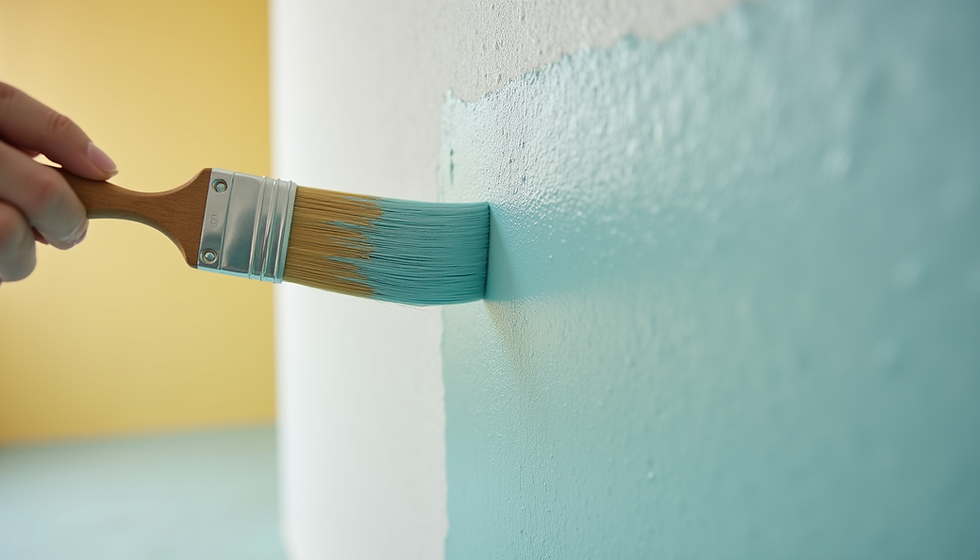
When you start painting, work in small sections. Use a brush to cut in around edges, corners, and trim. Then use a roller to fill in larger areas.
Maintain a wet edge to avoid lap marks. This means overlapping each stroke slightly before the paint dries.
Apply two or more coats for even color and durability. Allow sufficient drying time between coats, especially in humid conditions.
Ventilate the room well during and after painting to speed drying and reduce odors. Use fans or open windows if possible.

Tips for Maintaining Painted Surfaces in Hawaii
Once your interior painting project is complete, proper maintenance helps keep walls looking fresh. Clean painted surfaces gently with a soft cloth and mild soap. Avoid harsh chemicals that can damage the finish.
Control indoor humidity with dehumidifiers or air conditioning. This reduces the risk of mold and mildew growth on painted walls.
Inspect walls regularly for signs of peeling or discoloration. Address any issues early to prevent costly repairs.
If you need to repaint, follow the same preparation and painting steps to ensure the new coat adheres well.
For complex projects or large commercial spaces, consider hiring expert interior painters Hawaii who understand local conditions and use the best materials and techniques.
Enhancing Your Space with Color Choices
Choosing the right colors can transform your interior. In Hawaii, natural light is abundant and changes throughout the day. Select colors that complement this light and create the mood you want.
Light colors like soft whites, pastels, and earth tones make rooms feel open and airy. Darker colors add warmth and coziness but may make spaces feel smaller.
Test paint samples on your walls before committing. Observe how the colors look at different times of day.
Use accent walls or trim colors to add interest without overwhelming the space.
By following these expert tips for interior painting techniques Hawaii, you can achieve a beautiful, durable finish that stands up to the unique challenges of the tropical environment. Whether you tackle the project yourself or hire professionals, preparation and the right materials make all the difference.


Comments